What makes a deadbolt different from a regular lock?
A deadbolt is a lock with a solid metal bolt that slides into the door frame and can only be moved by turning a key or a thumbturn. Unlike a spring-loaded latch on a standard knob or lever, a deadbolt has no spring, so it does not retract on its own the way a beveled latch can. That single design difference is why a deadbolt is the primary line of defense on most exterior doors.
There are three common types. A single-cylinder deadbolt is keyed on the outside and has a thumbturn on the inside. A double-cylinder deadbolt is keyed on both sides, which removes the inside thumbturn. A jimmy-proof (surface-mounted) deadbolt mounts on the interior face of the door and interlocks with the frame, and is most often seen on apartments and older buildings.
When you shop, the bolt itself matters as much as the brand on the box. A quality deadbolt uses a hardened steel bolt with an anti-saw pin or insert, which resists cutting, and a free-spinning collar around the cylinder that resists wrenching. These are the parts that do the actual work of keeping the door shut.
What do ANSI/BHMA deadbolt grades mean?
Deadbolts in the U.S. are tested and rated by ANSI/BHMA (the American National Standards Institute and the Builders Hardware Manufacturers Association). The grade reflects how the lock performed in standardized strength, cycle, and force tests, and it is one of the most useful numbers on the package.
Grade 1 is the highest residential grade and is built to withstand the most operating cycles and the highest force in testing. Grade 2 is a solid mid-tier choice for many homes. Grade 3 meets the minimum residential standard and is the most basic. For an exterior door you actually rely on, a Grade 1 or Grade 2 deadbolt is the sensible target; Grade 3 is better suited to lower-risk interior or secondary doors.
A grade is not a promise of protection against every method of forced entry, and no lock is impenetrable. But a higher grade generally means thicker components, a longer-tested bolt mechanism, and better resistance to the everyday wear and prying that locks face. Look for the grade printed on the packaging or stated in the manufacturer's specifications rather than relying on marketing language alone.
- Grade 1: highest residential rating, strongest tested resistance and cycle life
- Grade 2: dependable mid-tier choice for typical exterior doors
- Grade 3: meets the minimum standard, best for secondary or interior doors
- Confirm the grade in the spec sheet, not just the product name
Single cylinder vs. double cylinder: which is right for your door?
The choice between single- and double-cylinder deadbolts often comes down to whether your door has glass nearby. A single-cylinder deadbolt unlocks from the inside with a thumbturn, so you can exit quickly without a key. A double-cylinder deadbolt requires a key on both sides, which prevents someone from reaching through a broken sidelight or glass panel to turn a thumbturn and open the door.
That added protection carries a real trade-off: in an emergency such as a fire, a door that needs a key to exit from the inside can become a hazard if the key is not immediately at hand. Many local fire and building codes restrict double-cylinder deadbolts on required exit doors for exactly this reason. Before choosing one, confirm what is permitted for your specific door and, if you rent, check with your property manager.
For many San Jose homeowners with a solid exterior door and no adjacent glass, a single-cylinder Grade 1 deadbolt is a practical default. If you have a glass-paneled or French door and are weighing a double cylinder, it is worth a quick conversation with a locksmith about code-compliant alternatives such as laminated security glass or a deadbolt with a removable thumbturn.
Bolt throw, strike plates, and door fit
A deadbolt is only as strong as the way it is mounted. The bolt should have a full 1-inch throw, meaning it extends a full inch into the door jamb when locked. A shorter throw, or a bolt that does not fully engage because the door is misaligned, leaves the lock far easier to force.
The strike plate, the metal plate on the frame that the bolt slides into, is where many doors fail. A standard strike plate held by short 3/4-inch screws can pull free under a hard kick. Upgrading to a reinforced or box strike plate anchored with 3-inch screws that reach the wall stud behind the frame substantially improves how the whole door resists force. This is one of the higher-value, lower-cost upgrades you can make.
Door material and thickness matter too. Most deadbolts fit standard 1-3/8 to 1-3/4 inch doors, but hollow-core, very thick, or metal doors may need specific hardware or a longer mounting kit. If the door sags, the gap is uneven, or the bolt sticks, fix the alignment first; even a high-grade deadbolt cannot do its job in a misaligned door.
Should you choose a smart deadbolt?
Smart deadbolts add keyless entry through a keypad, fingerprint reader, Bluetooth, or Wi-Fi, and many keep a traditional keyway as a backup. They are convenient for households that want to issue temporary codes to guests or family, or to stop hiding a spare key outside. The key point for security is that a smart deadbolt should still meet a solid ANSI/BHMA grade; the electronics are a convenience layer on top of the mechanical lock, not a replacement for it.
Look at the connectivity standard before buying. Bluetooth models work at close range from your phone; Wi-Fi or hub-based models allow remote locking and notifications; and newer locks supporting the Matter smart-home standard are designed to work across different apps and ecosystems rather than locking you into one. Also consider power: keypad and motorized locks run on batteries, so check the expected battery life and confirm there is a physical key override or an external power contact for when batteries die.
A smart deadbolt is a good fit if keyless convenience and access control genuinely matter to you. If you simply want the strongest, simplest lock with the fewest things to maintain, a high-grade mechanical deadbolt remains an excellent, lower-cost choice. Either way, the mechanical fundamentals covered above, grade, bolt throw, and strike plate, still apply.
- Confirm the smart lock still carries a strong ANSI/BHMA grade
- Match connectivity to your needs: Bluetooth (local), Wi-Fi/hub (remote), or Matter (cross-ecosystem)
- Check battery life and that a key or external power override exists
- Decide whether access control is worth the added cost and upkeep
Choosing and installing a deadbolt in San Jose
San Jose's housing mix shapes the right deadbolt for a given home. Established neighborhoods like Willow Glen and the Rose Garden have many older homes whose original doors and frames may need a reinforced strike plate or alignment work before a new high-grade deadbolt performs as intended. Newer developments in Evergreen, Berryessa, and the Almaden Valley often have solid prehung doors that take a Grade 1 deadbolt cleanly. Townhomes and condos near Santana Row or downtown frequently sit within an HOA, which may specify approved hardware or finishes, so it is worth checking the rules before you buy.
If you rent an apartment in areas like North San Jose or near San Jose State, you will usually need landlord or property-manager approval before changing or adding a deadbolt, and a jimmy-proof surface-mount deadbolt is sometimes the approved option because it adds security without altering the door bore. Whatever your situation, matching the lock to the door, the code, and any HOA or landlord requirements upfront saves a return trip.
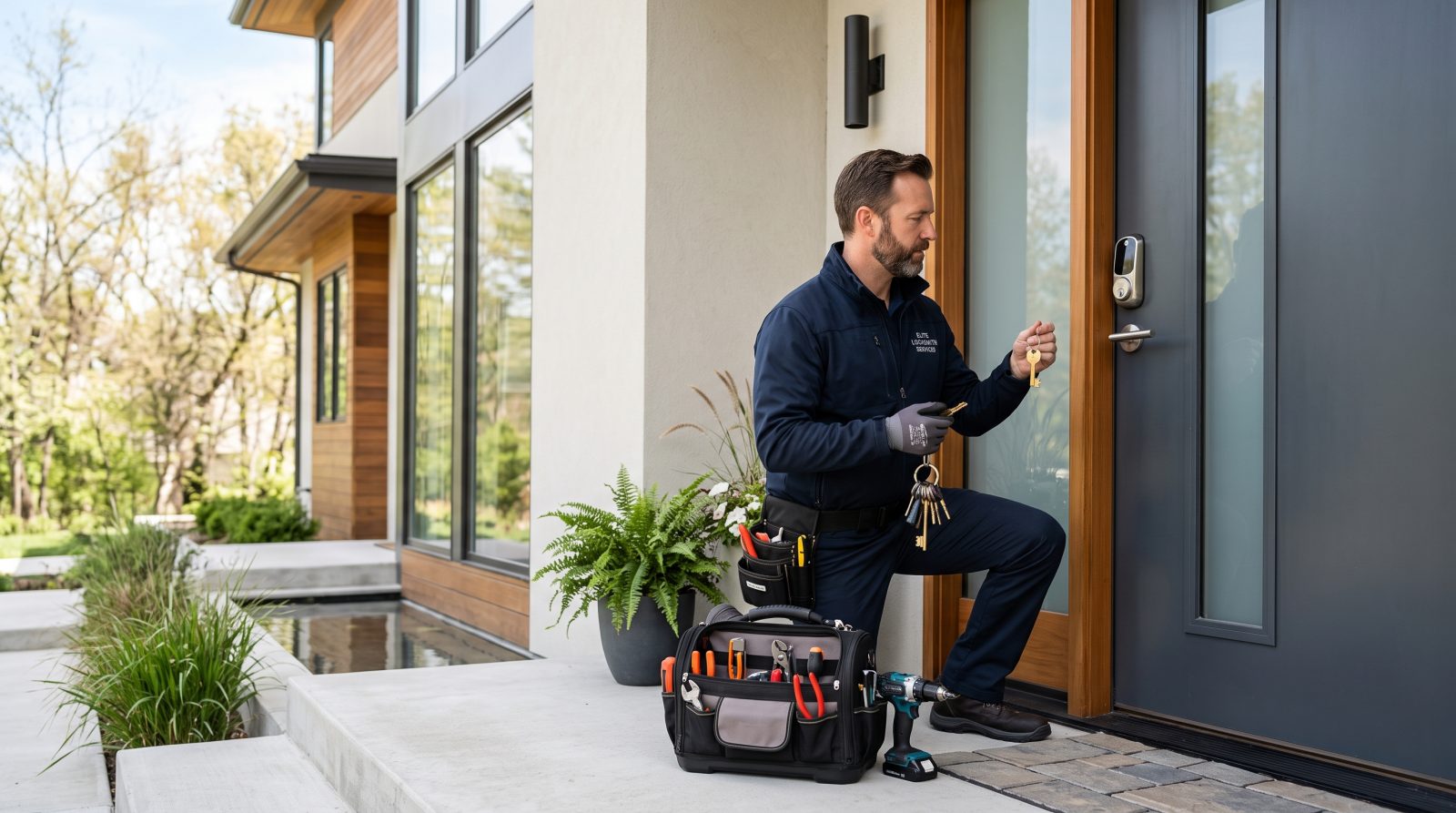
Many homeowners can install a standard deadbolt with basic tools, but a clean, secure result depends on accurate boring, proper backset, and a fully seated strike plate. As a local mobile locksmith serving San Jose and the South Bay, we can help you select a code-appropriate deadbolt for your specific door, install or align it correctly, and rekey it to match your existing keys so you carry one key instead of several. Request a free quote and we will recommend the right option for your door and budget.